

Ask any veteran of World of Warcraft to name the moment they fell in love with the game, and most will mention a sound—the gentle melody of Elwynn Forest, the haunting strings of Tirisfal Glades, or the tribal drums of Durotar. These opening themes do more than set tone—they shape memory. WoW’s starting zone music creates lasting emotional connections that define how players remember their first steps in Azeroth.
This article explores how Blizzard’s composers crafted these soundscapes to evoke nostalgia, belonging, and wonder that endure long after the first login.
The Psychology of Musical Memory
Music triggers emotional recall more powerfully than visuals or dialogue. When players hear familiar tracks, they don’t just remember—they feel. WoW’s composers understood this deeply, designing each zone’s theme to reflect its racial identity and emotional tone. The result: melodies that become part of a player’s personal history.
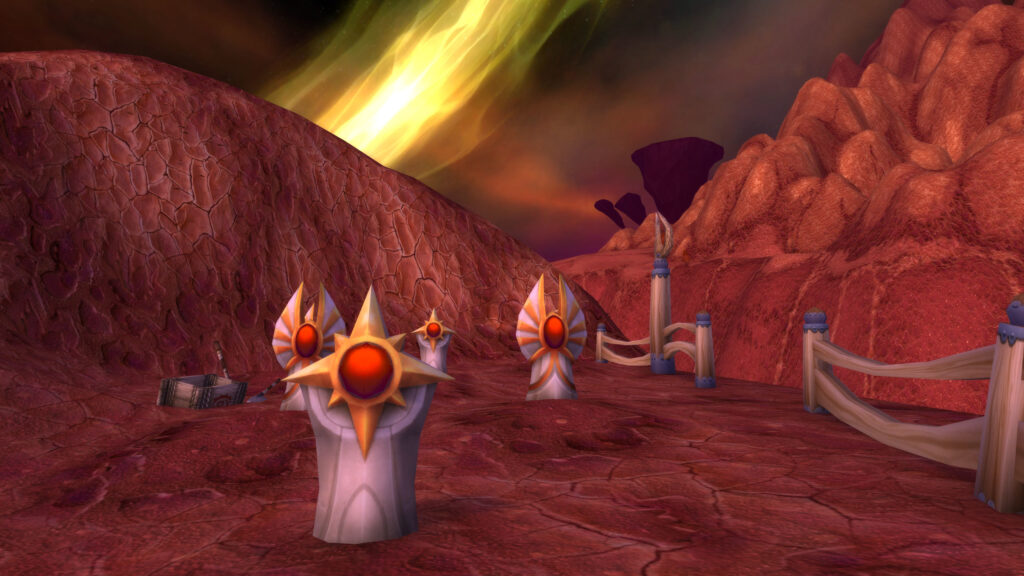
Years later, a few notes can summon the same sense of awe and curiosity players felt exploring the world for the first time. It’s nostalgia crafted through sound.
Crafting the First Impression
Starting zones are where players form their emotional bond with Azeroth. Blizzard’s composers—like Jason Hayes, Russell Brower, and Derek Duke—treated these areas as introductions not just to gameplay, but to identity. Every chord and rhythm reinforces cultural storytelling: flutes and strings for Night Elves, horns and percussion for Orcs, choirs and bells for Humans.
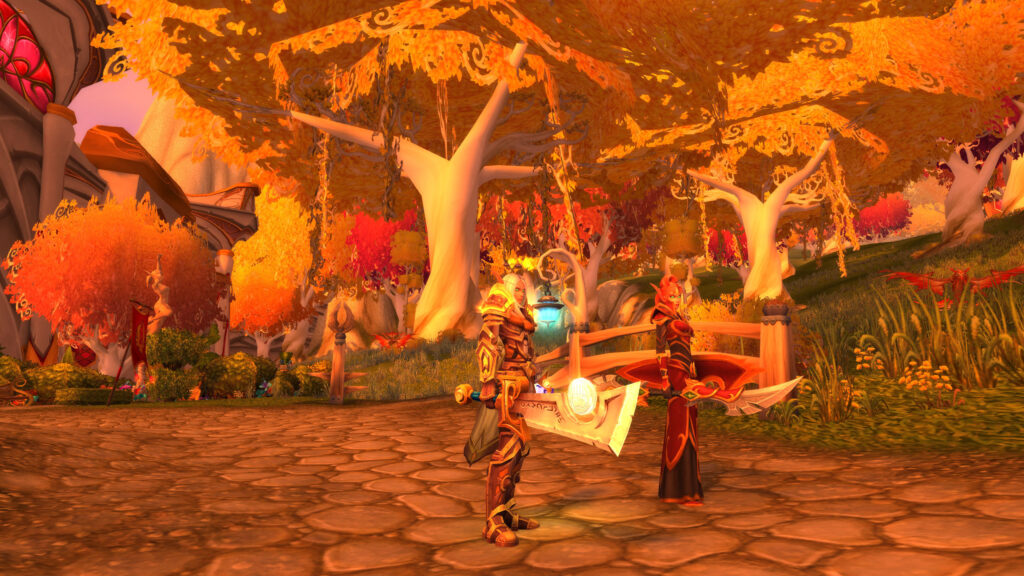
These motifs teach without words, guiding players into their role within the larger narrative through emotion and tone.
How Music Defines Racial Identity
Each starting zone’s soundtrack encapsulates the essence of its people. The music isn’t background—it’s biography. The Tauren’s sweeping plains are filled with wind instruments that echo natural harmony. Gnomeregan’s mechanical buzz hums with industrial rhythm. Forsaken melodies mix sorrow and defiance, reflecting tragedy and endurance.
These compositions give cultural dimension to races beyond their dialogue, shaping how players empathize with them.
| Zone | Musical Style | Emotional Tone |
|---|---|---|
| Elwynn Forest | Strings and woodwinds | Calm, hopeful, nostalgic |
| Tirisfal Glades | Low strings and choir | Melancholic, eerie |
| Mulgore | Wind and tribal drums | Spiritual, grounded |
| Durotar | Percussion and horns | Powerful, rugged |
The Subtle Art of Ambient Sound
Beyond melody, ambient sounds—birds, wind, distant chatter—blend with music to form living ecosystems. These layers build immersion and rhythm, making each zone feel alive. In Dun Morogh, soft snow crunch accompanies flutes, while in Teldrassil, rustling leaves dance beneath mystical harmonies.
This careful balance ensures players never feel detached. Sound, not just sight, becomes the heartbeat of the world.
How Music Evolves With the Player
As players grow, so does their relationship with the soundtrack. Early themes of innocence and discovery give way to grand orchestral scores in later zones, reflecting maturity and heroism. Returning to a starting area years later transforms nostalgia into reflection—the same notes now carry the weight of time.

This cyclical emotional design keeps WoW’s music eternally relevant, binding past and present through melody.
Community, Covers, and Cultural Legacy
WoW’s music has transcended the game itself. Fan orchestras, YouTube covers, and live performances at BlizzCon keep the legacy alive. Players across generations share these songs as emotional heirlooms, proof of music’s power to unite across language and faction.
The soundtrack has become cultural canon—an audible history of Azeroth’s soul.
Conclusion
WoW’s starting zone music endures because it captures not just place, but feeling. It turns pixels into home and exploration into memory. Through melody and mood, Blizzard composed more than soundtracks—they composed belonging. And long after quests are done, those first notes still echo, reminding players where their journey began.
For every adventurer, Azeroth’s first song is never forgotten—it’s the sound of discovery itself.