From the frozen peaks of Stormheim to the halls of Ulduar, the influence of Norse mythology runs deep through Warcraft’s storytelling. The themes of gods, creation, fate, and cyclical destruction that define Norse legend have become integral to Azeroth’s modern narrative. Blizzard’s writers and designers have woven ancient myth into the fabric of Warcraft’s cosmology, reinterpreting it through the lens of fantasy and science fiction alike.
This article explores how Norse myth shaped the Titans, Keepers, and heroic sagas that still define the tone and depth of Warcraft’s storytelling today.
The Titans and the Echo of the Aesir
The connection between the Titans and the Norse gods of creation is undeniable. Their vast cosmic order, hierarchy, and world-forging roles mirror the Aesir and Vanir of myth. Names like Odyn and Freya directly reference their mythological counterparts, reimagined as ancient keepers of power rather than traditional deities.
These characters embody the mythic duality between creation and control. Much like Odin, Warcraft’s Odyn sacrifices his eye for wisdom, leading the Halls of Valor in divine guardianship. Yet, as with Norse myth, his story questions whether power born from sacrifice can ever remain pure.
Ulduar and the Pantheon of Keepers
Ulduar stands as Warcraft’s greatest tribute to Norse architecture and theology. The zone’s towering halls, runic motifs, and celestial constructs recall Asgard itself. The Keepers—Thorim, Freya, Hodir, and Mimiron—embody archetypes of Norse gods: thunder, life, winter, and knowledge. Together they symbolize balance and the fragile order of creation.
Blizzard’s design team even mirrored the mythic theme of betrayal and madness through Loken’s corruption—echoing Loki’s cunning deceit and the eventual fall of divine order in Ragnarok-like tragedy.
The Concept of Fate and Ragnarok
Warcraft’s narrative often revolves around inevitable cycles of destruction and rebirth, an idea deeply rooted in Norse cosmology. From the Cataclysm to the Shadowlands, Azeroth experiences apocalyptic resets that mirror Ragnarok’s cleansing flame. Even the Dragon Aspects share the Norse view of destiny—divine beings aware that their end is written, yet choosing to defy it.
This philosophy of doomed heroism is what gives Warcraft its moral depth: victory never lasts forever, but valor always matters.
| Warcraft Element | Norse Equivalent | Symbolic Theme |
|---|---|---|
| Titans / Keepers | Aesir / Vanir | Divine architects and order |
| Loken | Loki | Betrayal, chaos within order |
| Yogg-Saron | Fenrir / Jormungandr | Imprisoned chaos and destiny |
| Cataclysm | Ragnarok | Death and rebirth through fire |
Stormheim and the Warrior Afterlife
The Halls of Valor directly channel the concept of Valhalla. Here, fallen champions train eternally, awaiting their next great battle. Odyn presides over these halls much like the Allfather of myth, guiding souls through valor rather than moral purity. This celebration of bravery defines Warcraft’s take on Norse afterlife—not judgment, but eternal purpose.
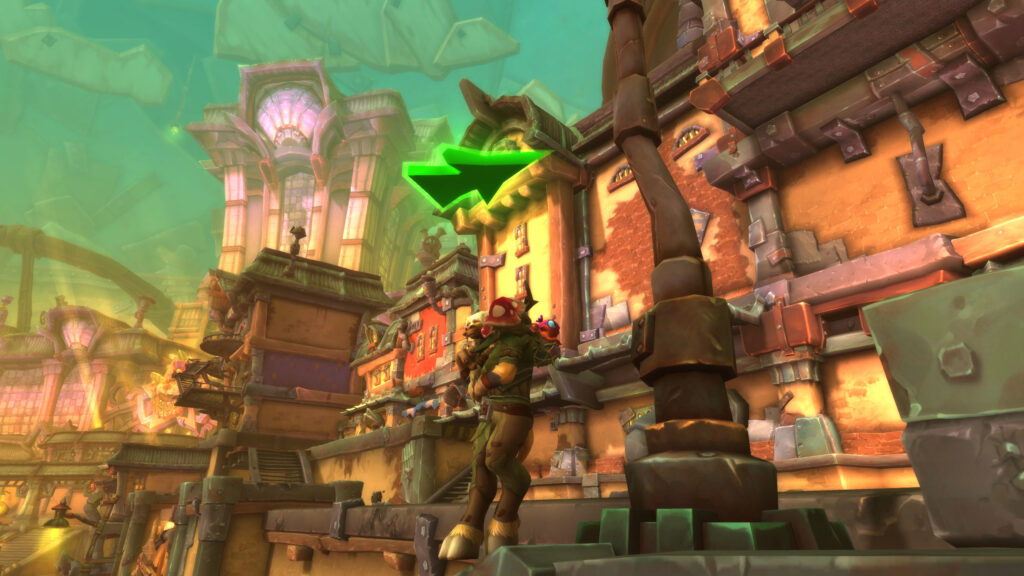
Even the visual design of the zone—golden halls against stormy skies—captures the majesty and melancholy of heroic eternity.
Runes, Rituals, and Symbolism
Runic magic, a cornerstone of Norse culture, thrives across Warcraft’s visual and narrative design. From Death Knight runes to the Titanforged constructs inscribed with glowing sigils, these marks represent power earned through sacrifice and discipline. They convey the essence of order binding chaos—just as in Norse runology.
This artistic continuity roots even modern expansions in the mythic past, bridging ancient legend with digital fantasy.
Mythology as Living Legacy
Unlike static myth, Warcraft’s Norse inspiration evolves. Every retelling—from Ulduar’s tragedy to the War Within’s Earthen sagas—reinterprets ancient myth through new conflicts. Blizzard transforms inspiration into reinvention, keeping the old gods alive in new forms.
Through this living mythology, Warcraft preserves the emotional heart of Norse storytelling—fate, courage, and the acceptance of impermanence.
Conclusion
Warcraft’s deep connection to Norse mythology gives its universe timeless gravity. From cosmic architecture to personal sacrifice, these echoes of myth grant depth to every story told across Azeroth. The Titans and Keepers may not be Odin’s kin, but their struggles are the same—order challenged by chaos, knowledge bought at a price.
In honoring those ancient sagas, Blizzard ensures that Azeroth, like Valhalla, will never stop singing the songs of its heroes.