
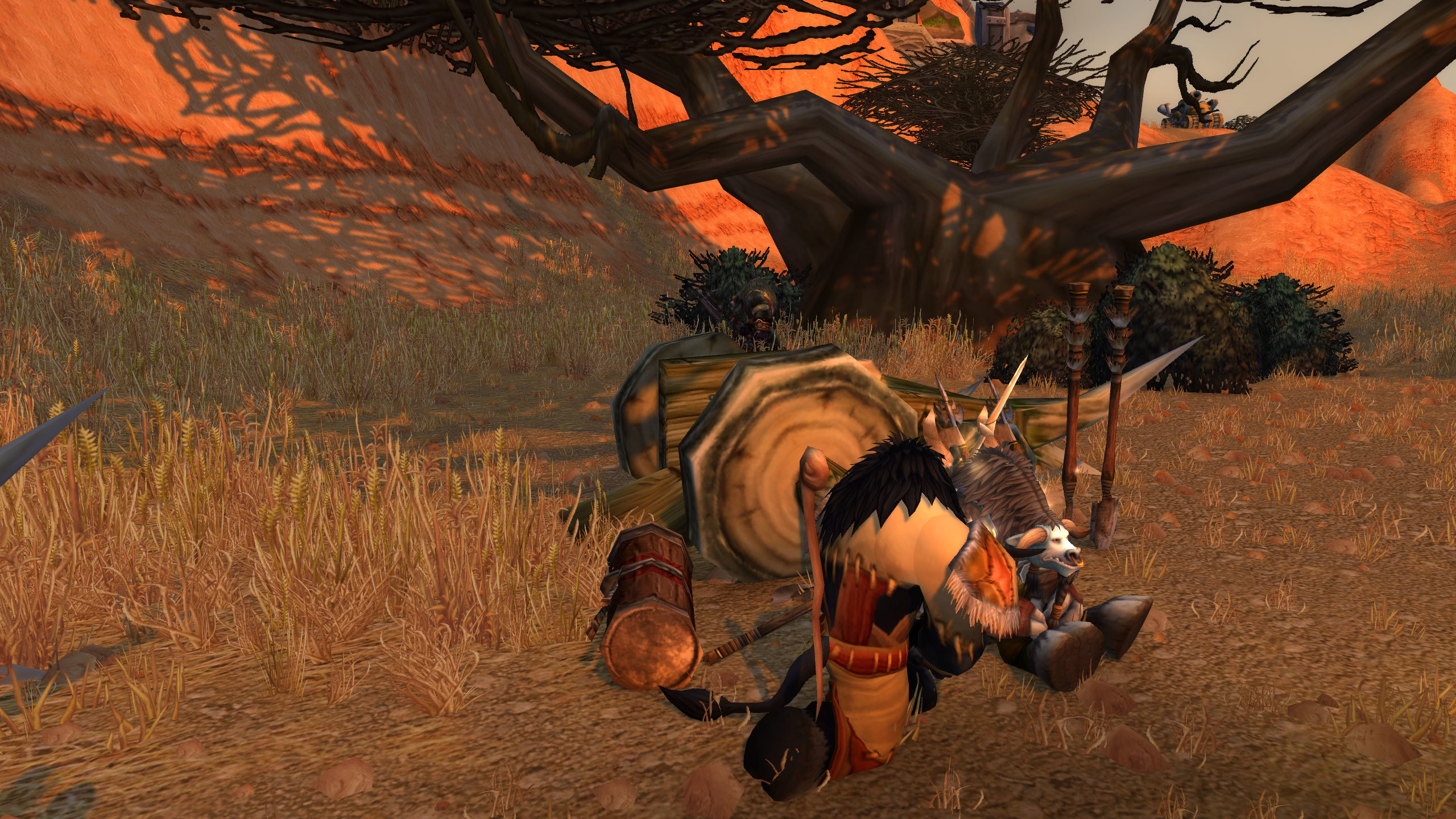
Faction identity shapes how players interpret the world. From visual language to cultural tone, allegiance influences perception long before mechanics come into play. Over time, this identity becomes a lens through which experiences are filtered.
This article explores how faction identity impacts player perspective and why it leaves lasting impressions.
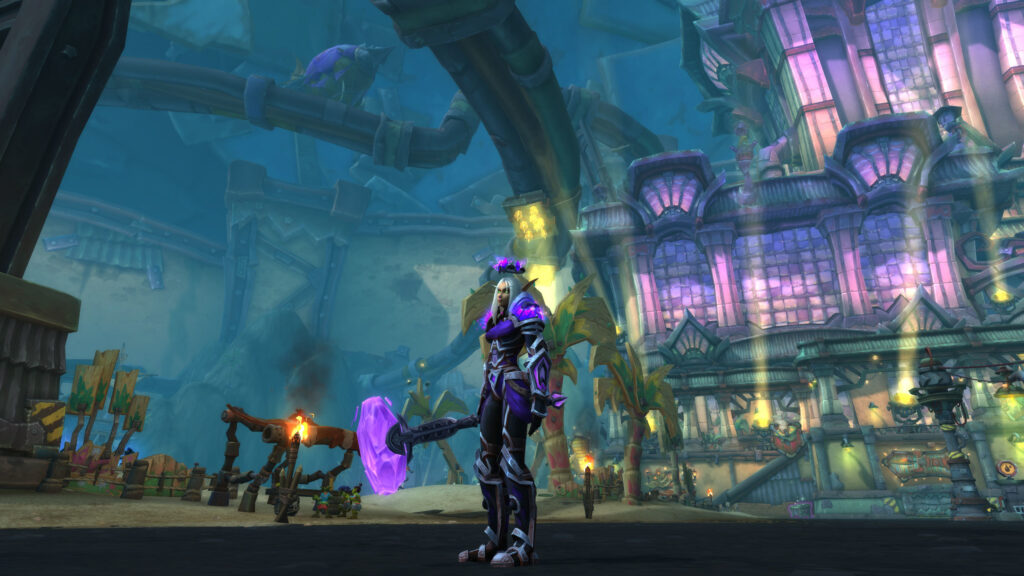
First Impressions Setting Expectations
Starting environments establish tone immediately. Architecture, music, and narrative framing suggest values and priorities that guide interpretation.
Context forms outlook.
Shared Identity Reinforcing Belonging
Seeing others aligned under the same banner creates implicit connection. Even without interaction, alignment signals familiarity.
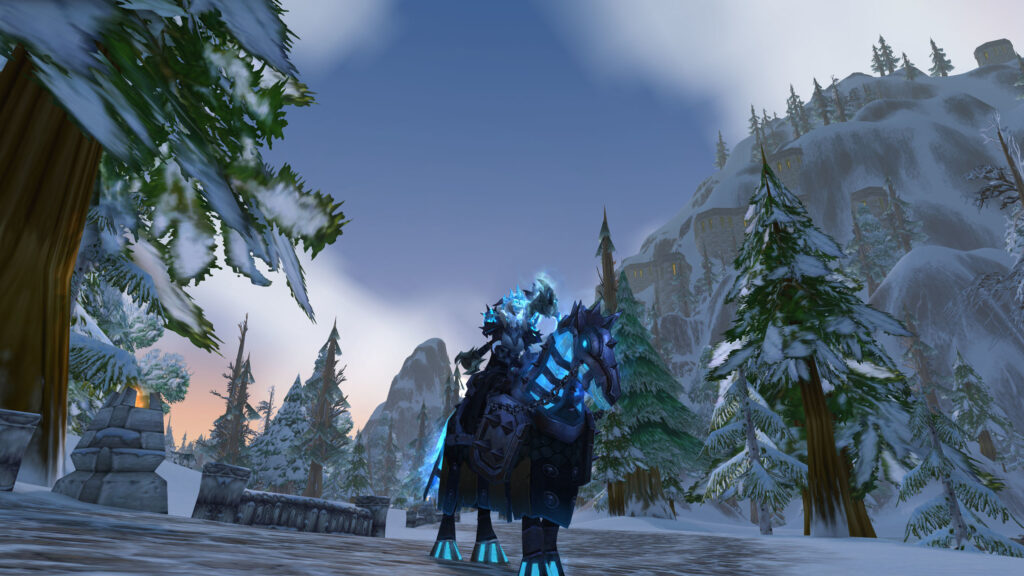
Belonging feels assumed.
Ways Faction Identity Shapes Perspective
Alignment subtly alters how players view content and conflict.
- Interpreting story events through faction values
- Developing loyalty to shared symbols and spaces
- Viewing opposing factions through contrast
- Forming habits tied to faction culture
Identity guides interpretation.
Perspective Solidifying Over Time
As experiences accumulate, faction identity deepens. What began as a choice becomes part of routine perception.

Familiarity strengthens viewpoint.
Why Identity Remains Influential
Faction alignment frames memory. Past victories, losses, and milestones are recalled through shared identity.

History reinforces perspective.
Conclusion
Faction identity impacts player perspective by shaping expectations, interpretation, and memory. Through shared culture and experience, allegiance becomes more than a label. It becomes a way of seeing the world.